Let's be honest about something most health content overlooks: Indians are facing a quiet, modern health crisis—not acute illness, but slow, persistent imbalance.Waking up tired, dull skin despite expensive serums, unprovoked anxiety, 3 PM energy crashes, and a body that feels out of sync are not in your head. The data confirms it.
Over 77 million Indians live with type 2 diabetes. Nearly 1 in 3 urban Indians is clinically obese or overweight. More than 50% of women aged 15–49 are anaemic (ScienceDirect). A 2023 ICMR report shows 56.4% of India's total disease burden stems from dietary risks. Chronic stress, hormonal disruption, and poor sleep have become the new normal.
What's most striking? Most of these issues are not genetic.They are dietary and lifestyle-driven—and largely reversible.This guide brings together the full picture from our series to help you take back control.
Why We’re Here: The Modern Indian Health Crisis
The traditional Indian diet was once one of the world’s most anti-inflammatory: turmeric, lentils, fermented foods like idli and kanji, seasonal vegetables, cold-pressed oils, and spices such as fenugreek and cumin—benefits nutritional science is only now fully validating.
Then came the shift: ultra-processed foods, refined carbs, omega‑6‑heavy seed oils, constant screen time, disrupted sleep, and unrelenting stress. The result is a population that is overfed yet undernourished.
Inflammation, unbalanced cortisol, weakened gut health, struggling mitochondria, and hormonal chaos follow. Every topical, pharmaceutical, or supplement-based fix only masks symptoms—root causes lie at the cellular level, driven mostly by diet.
The 10 Pillars of Food-First Health
1. Skin: Your Diet Shows On Your Face
The skincare industry rarely says it: the best glow comes from your plate, not a jar. Studies link higher intakes of carotenoids, vitamin C, and polyphenols to better skin luminosity and reduced oxidative damage in women (NIH).
Skin-brightening foods like tomatoes (lycopene), papaya (beta-carotene), and amla (nature’s richest vitamin C source) support deep repair. Collagen-supporting foods—bone broth, eggs, fish skin—strengthen skin structure from within. Glutathione-rich foods like asparagus, avocado, and cruciferous veggies boost your body's master antioxidant. Eating for clear skin lowers inflammation and oxidative stress, the real causes of pigmentation, dullness, and premature ageing.
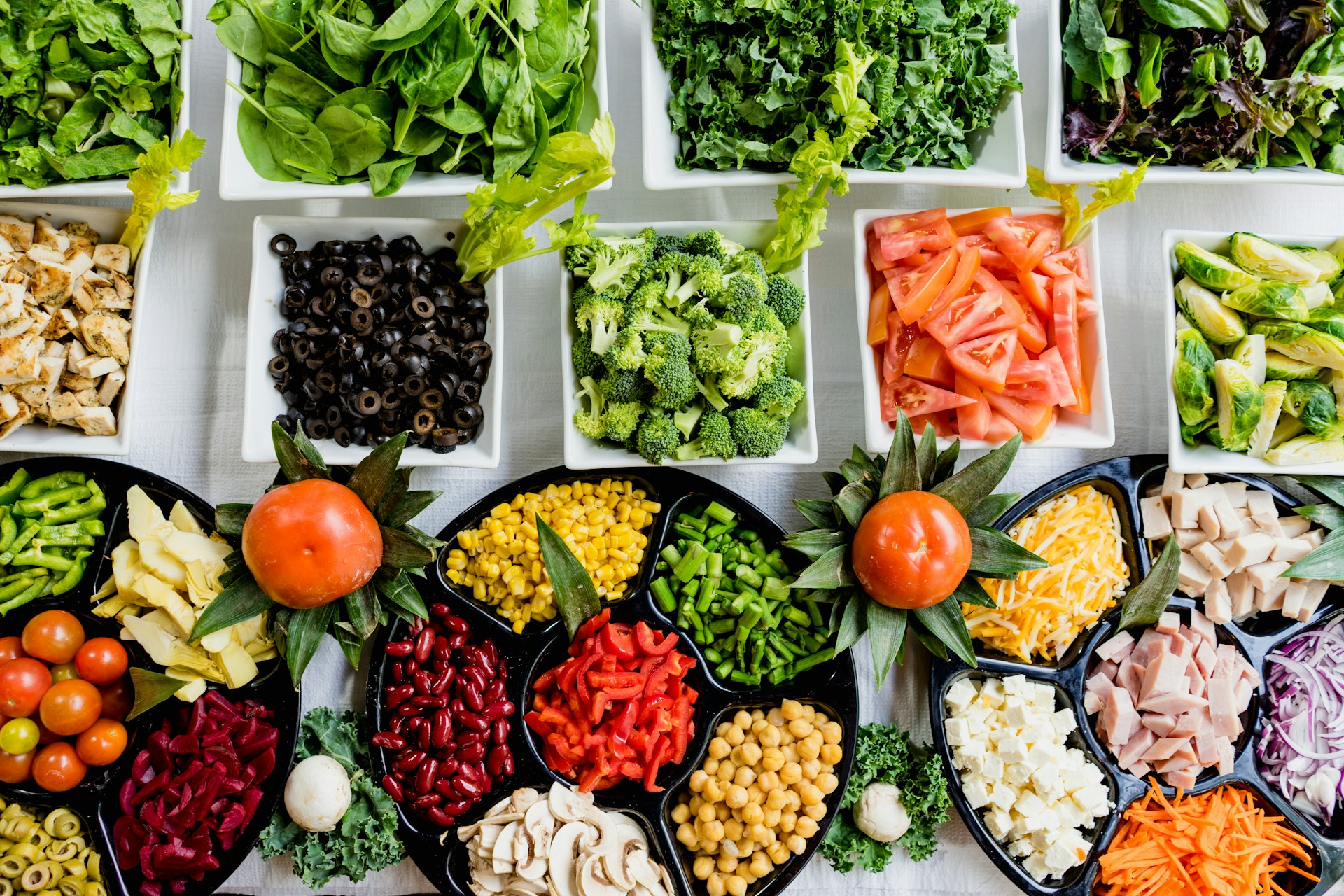
Tip: Eat at least three coloured vegetables daily. Orange/red for carotenoids, green for chlorophyll, purple for anthocyanins.
2. Stress & Cortisol: Your Nervous System Runs On Nutrients
Chronic stress rapidly depletes magnesium, vitamin C, B vitamins, and zinc. A 2020 study found magnesium supplementation significantly reduced cortisol stress response.
Dark chocolate, leafy greens, pumpkin seeds, and ashwagandha (backed by human adaptogenic trials) help calm the body—not by suppression, but regulation.
3. Anxiety: The Gut-Brain Axis Is Real
Around 90% of serotonin is produced in the gut. Research confirms diets rich in whole and fermented foods correlate with lower anxiety and depression.
Curd, kefir, and homemade pickles feed good gut bacteria that shape neurotransmitter production. This is not alternative health—it's published neurogastroenterology.
4. Sleep: What You Eat Determines How You Rest
Tryptophan, the building block of melatonin, is in milk, bananas, pumpkin seeds, and turkey. But it needs carbohydrates to cross the blood-brain barrier. A small serving of complex carbs at dinner improves uptake. Studies also link Mediterranean-style eating to better sleep quality.
5. Libido & Hormonal Health
One of the most overlooked modern health struggles. Zinc is essential for testosterone production in all genders. A review found zinc restriction in men lowered testosterone within 20 weeks (ScienceDirect).
Pumpkin seeds, shellfish, eggs, and quality red meat support hormonal function. Cruciferous vegetables aid oestrogen metabolism. Healthy fats from avocado, ghee, and cold-pressed sesame oil provide building blocks for steroid hormones.
6. Stamina & Energy: Real Energy Is Built, Not Borrowed
Caffeine is borrowed energy. Iron, B12, CoQ10, and complex carbs create sustainable energy. India has among the world’s highest rates of iron-deficiency anaemia—a completely preventable cause of constant fatigue.
Pair iron-rich foods (rajma, spinach, sesame, liver) with vitamin C to boost absorption. This simple combination is one of India’s most underused nutrition hacks.
7. Inflammation: The Root of Almost All Chronic Illness
Low-grade chronic inflammation drives diabetes, heart disease, autoimmunity, skin issues, hormone imbalance, and even depression. Omega‑3s, curcumin, and polyphenols are well-proven anti-inflammatory nutrients.
Studies show curcumin significantly lowers CRP, a key inflammation marker (ScienceDirect). You don’t always need supplements—just daily turmeric with black pepper and fat.
8. Immunity: Built In the Kitchen
Despite year-round sun, 70–90% of Indians are vitamin D deficient, largely due to indoor lifestyles. Vitamin D regulates over 200 immune-related genes.
Sun-dried mushrooms, fatty fish, and fortified dairy help. Zinc, vitamin C, selenium, and beta-glucans from oats and mushrooms complete an immunity-supporting diet.
9. Testosterone: A Dietary SOS
Testosterone decline in men begins a decade earlier than in the 1980s (Journal of Clinical Endocrinology and Metabolism). In women, low levels cause fatigue, low libido, and muscle loss. Diet, sleep, and stress management come before any hormone therapy.
10. Glow: Your Visible Return on Dietary Investment
Glowing skin isn't just cosmetic—it's metabolic. Foods rich in biotin, silica, omega‑3s, and antioxidants visibly improve skin texture with consistent eating habits.
A Note on Supplements: The Honest Truth
Supplements have a real, supportive role to play in filling nutritional gaps. While whole foods should always come first, a high-quality B‑Complex supplement offers consistent, targeted support that modern diets often fail to provide.
B vitamins are essential cofactors in energy metabolism, cellular repair, and stress resilience—making them foundational for daily vitality, steady energy, and balanced nervous system function. Many people fall short through processed diets, busy lifestyles, and increased stress, which rapidly deplete B vitamins.
Unlike isolated nutrients that only address one pathway, B‑Complex delivers the full spectrum of B vitamins in balanced ratios, supporting everything from sustained energy production and healthy skin cell turnover to cognitive function and mood stability. For those with inconsistent eating patterns, high stress, or busy schedules, B‑Complex acts as a reliable daily foundation.
Rather than chasing fragmented benefits from single-ingredient supplements, a thoughtfully formulated B‑Complex brings together the full family of B vitamins to work synergistically—supporting long-term wellness from the cellular level.