Your birth certificate has one number on it. Your liver, your skin, and your arteries each have their own. A Stanford study that mapped the biological age of 11 organs found that roughly one in five healthy adults over 50 is carrying at least one organ aging significantly faster than the rest of their body, with no symptoms to warn them .
That's the uncomfortable starting point for any honest conversation about how to live a long life. Aging isn't one dial. It's eleven different ones, moving at different speeds, and the habits that actually slow them down look nothing like the wellness-aisle version of longevity.
This isn't about a single supplement or a strict diet. It's about which habits to live longer are actually backed by data, and which longevity supplements are mostly backed by marketing.
What's Actually Happening When You "Age Faster"
Biological aging comes down to a handful of measurable processes: mitochondria (your cells' energy factories) becoming less efficient, old damaged cells refusing to die and instead leaking inflammatory signals, and chronic low-grade inflammation, often called "inflammaging," quietly wearing down tissue.
None of this announces itself with a symptom. It shows up fifteen years later as the disease that "came out of nowhere."
The 12 Habits That Actually Move the Needle
This is the lens for everything below. The goal isn’t to chase a number on a label. It’s to nudge these specific mechanisms in your favour, consistently, for decades.
Treat protein like infrastructure, not a gym accessoryAfter 30, inactive adults lose 3–8% of muscle mass per decade (sarcopenia), one of the strongest predictors of independence in later life.Spreading 25–30g of protein across each meal supports steady muscle repair better than one large serving. Protein powders help conveniently fill gaps common in many Indian diets.
Train grip strength and stamina, not just the scaleGrip strength and VO2 max are stronger predictors of lifespan than BMI or cholesterol, reflecting mitochondrial health.Two weekly resistance sessions plus one easy cardio session do more for biological age than high-sweat fitness classes.
Eat inside a window, not around the clockA 10–12 hour eating window supports nightly autophagy — the cellular cleanup process that removes damaged proteins.This core chrononutrition principle is one of the most underrated levers for longevity.
Guard sleep regularity harder than total sleep hoursA study of 60,000+ adults found consistent sleep times better predicted lower mortality risk than total sleep duration.Irregular sleepers faced up to 48% higher mortality risk, regardless of hours slept.
Make plant diversity the defaultNo single longevity diet is perfect — Mediterranean, Okinawan, and traditional Indian thalis all rely on fibre to feed gut bacteria and reduce inflammation.The simplest rule: more plants, more variety, less processed food.

Get morning light before coffee10–15 minutes of outdoor light before 10am stabilises your circadian clock, improving cortisol, melatonin, and sleep quality automatically.
Don’t ignore lonelinessChronic social isolation alters immune gene expression, raising inflammation and accelerating immune aging — acting as a slow biological risk.
Add deliberate heat or cold exposureFrequent sauna use (4+ weekly) is linked to lower all-cause mortality via heat shock proteins that protect cells.For many, a hot bath offers accessible, low-effort benefits.
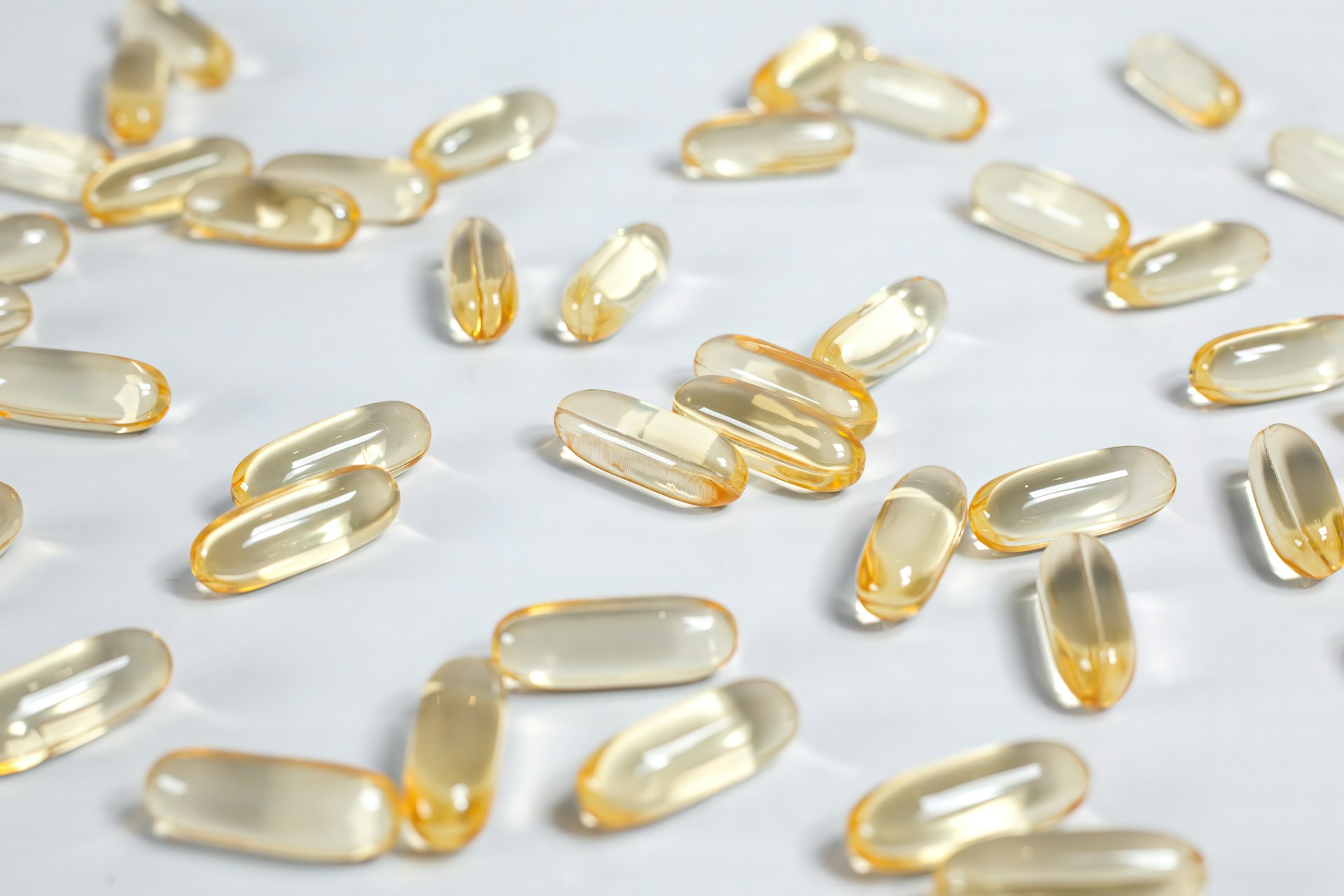
Prioritise omega‑3s as foundational supportEPA and DHA reduce inflammation and are linked to slower telomere shortening (a marker of cellular aging) .Most vegetarian Indian diets are naturally low in these fats, making a quality Seal Oil supplement a reliable way to support long-term cellular health.
Choose evidence-backed longevity supplementsMagnesium glycinate (sleep & stress), creatine (muscle & cognition), and vitamin D3 (common deficiency in desk-bound adults) all have strong clinical support.These are the supplements worth investing in; most others lack real outcome data.
Avoid overdoing antioxidants, especially around workouts vitamin C or E can blunt insulin sensitivity and mitochondrial gains from exercise by interfering with healthy cellular adaptation.Indiscriminately stacking high-dose antioxidants can weaken the mild stress signals cells need to strengthen.
Manage allostatic load, not just “stress”Allostatic load is the cumulative damage of chronic stress to metabolism, immunity, and the heart.10 minutes of breathwork or a short walk after stress helps lower prolonged cortisol and prevent long-term harm.

Key Takeaways
Aging isn't one process. It's eleven measurable ones, and they move at different speeds in different organs.
Habits to live a healthy life beat any single supplement: protein, resistance training, sleep regularity, and plant-forward eating do most of the heavy lifting.
Sleep timing consistency predicts mortality risk more strongly than total sleep hours.
A well-built longevity diet isn't exotic. It's fibre, plant diversity, and minimal processing, applied consistently.
Some longevity supplements, like magnesium glycinate, creatine, and omega-3, have real trial support behind them.
Megadosing antioxidants around workouts is one of the supplements to avoid for longevity mistakes people make with good intentions.